
Cycle Phases and Mood: Understanding How Your Emotions Shift Across the Menstrual Cycle

Your mood is not random.
If you’ve ever felt like a different person week to week clear-headed one moment, overwhelmed the next - there’s a biological pattern behind it.
The menstrual cycle is not just about periods. It’s a neuroendocrine rhythm. Hormones shift. Brain chemistry shifts. Emotional patterns shift.
Understanding these phases gives you something most people don’t have: context for your emotions instead of confusion about them.
The 4 Phases of the Menstrual Cycle (Quick Breakdown)
Before diving into mood, here’s the structure:
Menstrual Phase (Day 1–5): Bleeding begins
Follicular Phase (Day 1–13): Hormones start rising
Ovulation (Around Day 14): Peak fertility
Luteal Phase (Day 15–28): Hormones shift and decline
Each phase brings predictable emotional tendencies driven by changes in estrogen, progesterone, and brain chemicals like serotonin and dopamine.
The 4 Phases of Your Cycle and How they affect your mood
Menstrual Phase: Low Energy, High Sensitivity
What’s happening biologically
Estrogen → low
Progesterone → low
Inflammation markers → slightly higher
How mood typically feels
Slower, inward, reflective
Emotionally sensitive
More easily overwhelmed
This is often misunderstood as “low mood,” but it’s closer to a natural inward phase.
Common emotional patterns
Wanting space or solitude
Increased emotional clarity
Lower tolerance for stress
Why this happens
Low estrogen = reduced serotonin activity.
Serotonin influences mood stability. When it dips, emotions feel closer to the surface.
What helps
Reduce expectations
Prioritize rest over productivity
Reflect instead of react
Follicular Phase: Mental Clarity and Optimism
What’s happening biologically
Estrogen → rising
Dopamine sensitivity → increasing
How mood typically feels
Lighter
More motivated
Curious and open
This phase often feels like a reset button for the brain.
Common emotional patterns
Easier decision-making
Increased confidence
More social openness
Why this happens
Estrogen boosts:
Dopamine → motivation and reward
Serotonin → emotional stability
This creates a naturally optimistic mental state.
What helps
Start new projects
Make decisions
Engage socially
Ovulation: Peak Confidence and Connection
What’s happening biologically
Estrogen → peak
Testosterone → slight rise
How mood typically feels
Confident
Social
Expressive
This is often the most externally focused phase.
Common emotional patterns
Increased communication skills
Higher self-esteem
Desire for connection
Why this happens
High estrogen improves:
Verbal fluency
Emotional recognition
Social bonding
There’s also a subtle increase in testosterone, which supports assertiveness and drive.
What helps
Have important conversations
Network or collaborate
Express ideas
Luteal Phase: Emotional Intensity and Processing
What’s happening biologically
Progesterone → rises, then falls
Estrogen → second smaller rise, then drop
How mood typically feels
More serious
Easily irritated or overwhelmed
Emotionally reactive
This phase is often labeled “PMS,” but that’s an oversimplification.
Common emotional patterns
Lower stress tolerance
Increased anxiety or irritability
Heightened self-criticism
Why this happens
Progesterone initially has a calming effect, but as it drops:
GABA activity shifts (affects calmness)
Serotonin can dip
Stress sensitivity increases
What helps
Reduce overload
Create boundaries
Avoid overcommitting
How to Work With Your Cycle Instead of Against It
Most advice ignores this completely.
Instead of forcing consistency, the goal is alignment.
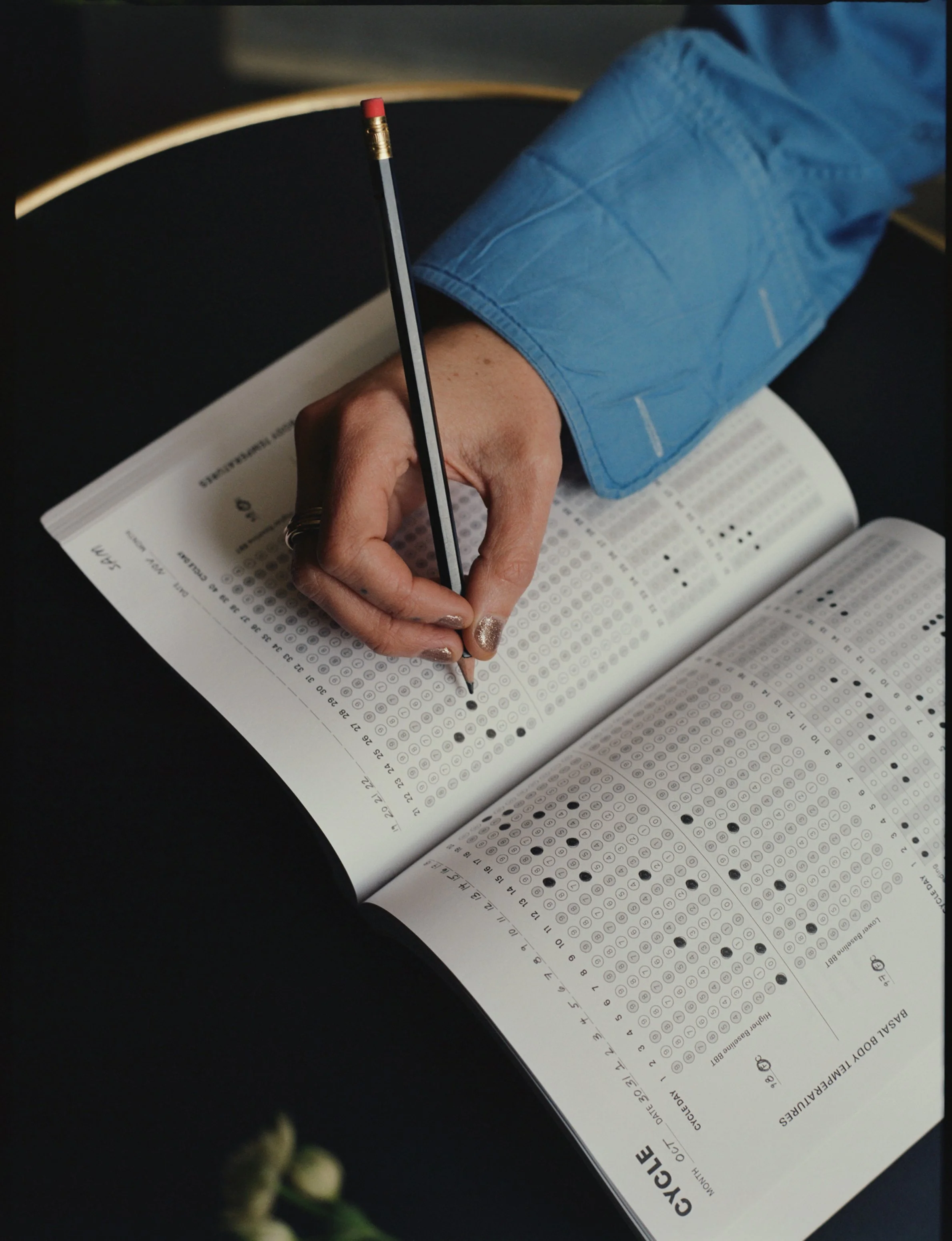
1. Track your patterns
Notice:
When you feel most social
When you feel most sensitive
When stress hits hardest
Patterns repeat.
2. Adjust expectations by phase
Menstrual → rest
Follicular → build
Ovulation → connect
Luteal → protect energy
3. Reduce self-judgment
You’re not “failing” when your energy drops.
You’re in a different phase.
Some important questions frequently asked
Why do I feel anxious before my period?
Because estrogen and serotonin drop in the late luteal phase, increasing stress sensitivity.
Why do I feel more confident at certain times of the month?
Confidence often peaks around ovulation when estrogen and testosterone are higher.
Do all women experience the same mood patterns?
No. Patterns vary based on:
Hormone sensitivity
Stress levels
Sleep and lifestyle
Can tracking my cycle actually improve mental health?
Yes. Awareness alone reduces confusion and improves emotional regulation.
Is it normal to feel like a different person every week?
It’s common. But the intensity varies. Understanding your cycle helps you stay grounded through it.