Menstrual Cycle & Mental Health:
Understanding Your Emotional Patterns Each Week
If you’ve ever found yourself wondering…
Why do I feel anxious before my period?
Why do I feel like a completely different person some weeks?
Why is my mood so unpredictable?
You’re not imagining it.
And more importantly.. you’re not broken.
Your mental health isn’t random. It’s cyclical.
For many women, emotions follow a rhythm that’s deeply connected to the menstrual cycle. Once you understand that rhythm, things start to make sense. The anxiety. The motivation. The sensitivity. The overwhelm.
It’s not chaos. It’s a pattern.
Your Mental Health Is Not Random - It’s Cyclical
Most of us are taught to think about mental health as something static.
You either “feel good” or “feel off.”
You either “have anxiety” or you don’t.
But that’s not how the female brain and body work.
Your emotional patterns shift week by week because your internal chemistry is shifting.
Hormones like estrogen and progesterone don’t just affect your reproductive system. They directly influence:
Mood
Energy
Focus
Sleep
Emotional sensitivity
Through our work with women, one of the most common realizations we see is this:
“I’m not inconsistent… my cycle is.”
That shift alone can be incredibly relieving.
The 4 Phases of Menstrual Cycle
(And How They Affect Your Mind)
Bleeding Phase
This is when your period begins.
Hormone levels are at their lowest. Estrogen and progesterone both drop.
How you might feel:
Low energy
More inward and reflective
Emotionally sensitive
Needing space
This is often when women report feeling:
Sadder than usual
More withdrawn
Less motivated
Your menstrual cycle isn’t just about your period. It’s a full monthly loop, typically around 28 days, divided into four phases.
Each phase comes with its own emotional landscape.

If you’ve ever thought, “Why do I feel low on my period?” this is why.
Your system is in a reset phase.
It’s not a time for pushing. It’s a time for slowing down.
Follicular Phase
After your period ends, estrogen starts to rise again.
This shift often feels like a fresh start.
How you might feel:
More optimistic
Clear-headed
Motivated
Curious and open
This is when many women say:
“I feel like myself again.”
“I have energy to start things.”

If you notice a burst of motivation or clarity after your period, it’s not random. It’s your biology supporting you.
Ovulation Phase
Estrogen peaks. This is typically when ovulation occurs.
This phase is often associated with confidence and connection.
How you might feel:
Social
Confident
Expressive
More connected to others
You might notice:
Easier communication
Higher self-esteem
Increased libido

Many women describe this phase as:“I feel like the best version of myself.”
Luteal Phase
After ovulation, progesterone rises.
This is where things can start to feel heavier.
How you might feel:
More anxious
Irritable
Overthinking
Easily overwhelmed
This is also when many women search:
“Why do I feel anxious before my period?”
“Why am I so emotional in the luteal phase?”

As progesterone rises and then eventually drops, it can impact your nervous system in a way that increases sensitivity. This phase isn’t “bad.” It’s just more intense.
Why Hormones Affect Your Mood So Strongly?
It can feel frustrating. Why do these internal shifts affect your mind so much?
Because your brain is directly influenced by your hormonal environment.
Estrogen & Mood
Estrogen supports serotonin. Serotonin is one of the key neurotransmitters that helps regulate mood.
When estrogen is higher, many women feel:
More stable
More positive
More emotionally balanced
When it drops, mood can drop with it.
Progesterone & Anxiety
Progesterone interacts with GABA, a calming neurotransmitter.
In some women, this creates a sense of calm. In others, especially when levels fluctuate, it can lead to:
Anxiety
Restlessness
Overthinking
Other factors that amplify emotional changes
Hormones don’t work alone.
They interact with:
Sleep quality
Blood sugar
Stress levels
Lifestyle habits
This is why some cycles feel manageable… and others feel overwhelming.
Common Emotional Patterns Across the Cycle
Once you zoom out, many women start to notice a repeating pattern.
It might look something like this:
Week 1 (Menstrual phase):
Inward, reflective, slower
Week 2 (Follicular phase):
Optimistic, energized, curious
Week 3 (Ovulation):
Confident, social, expressive
Week 4 (Luteal phase):
Sensitive, overwhelmed, introspective
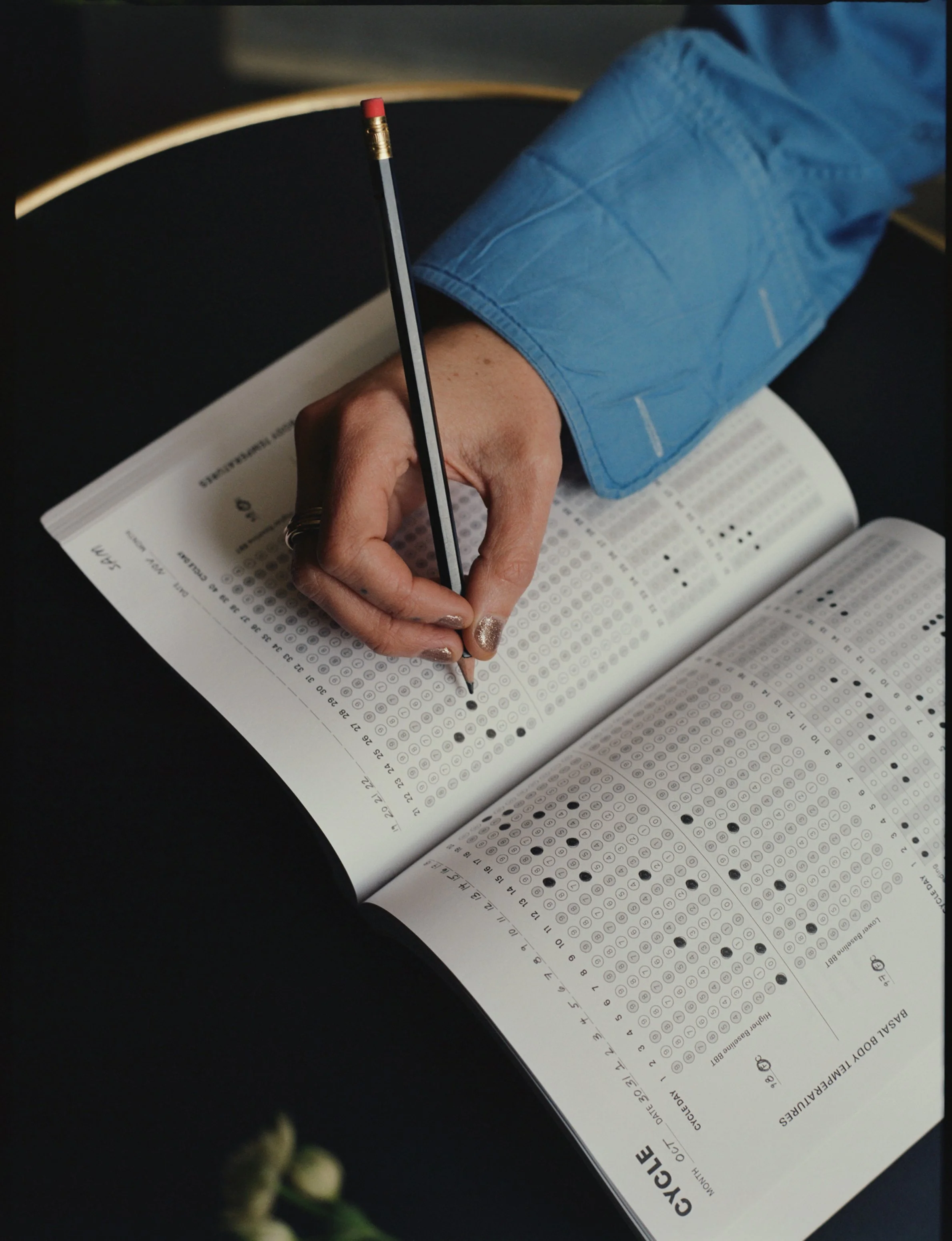
This isn’t a rigid rule. But it’s a helpful framework. When you begin tracking your emotions alongside your cycle, you start to see patterns instead of problems.
PMS vs PMDD - When It’s More Than “Normal”
Emotional changes before your period are common.
But sometimes, they go beyond what feels manageable.

Premenstrual Syndrome (PMS) can include:
Mood swings
Irritability
Fatigue
Anxiety
These symptoms are usually mild to moderate.
What is PMS?
Premenstrual Dysphoric Disorder (PMDD) is more severe. It can include:
Intense depression
Rage or anger
Hopelessness
Feeling out of control
What is PMDD?
If you find yourself thinking, “I don’t feel like myself at all” or “This feels unbearable” - It’s important to take that seriously. You’re not overreacting.
Support from a mental health professional can make a real difference.
This is one of the most common experiences women describe.
That feeling of:
“Who even am I right now?”
In the luteal phase, emotional intensity can increase.
Thoughts feel louder. Reactions feel stronger. Doubts feel more convincing.
It can feel like your identity is shifting.
But what’s actually happening is:
Your emotional filters are changing.
You’re not becoming a different person.
You’re experiencing a different internal state.
And when that state passes, your perspective often shifts again.
Understanding this can help you:
Take your thoughts less personally
Avoid making impulsive decisions
Create more self-compassion
Why You Might Feel “Not Like Yourself” Before Your Period
Most of us try to operate the same way every day.
Same expectations. Same productivity. Same emotional baseline.
But your body isn’t designed that way.
Working with your cycle can look like:
Planning demanding tasks during high-energy phases
Creating space during low-energy phases
Adjusting expectations week by week
This approach is often called cycle syncing.
It’s not about perfection.
It’s about awareness.
How to Work With Your Cycle (Instead of Fighting It)
Practical Ways to Support Your Mental Health in Each Phase
Menstrual Phase
Focus on:
Rest
Journaling
Gentle reflection
Reduce:
Social pressure
Over-scheduling
Ovulation Phase
This is a great time for:
Communication
Social interaction
Collaboration
Follicular Phase
Use this energy for:
Planning
Starting new projects
Creative thinking
Luteal Phase
Support yourself with:
Boundaries
Slower pace
Emotional check-ins
Instead of pushing harder, try softening expectations.
Final Thought - Your Emotions Have a Pattern, Not a Problem
If you’ve spent years feeling confused by your emotions..
Questioning yourself..
Wondering why you can’t just feel “consistent”..
Take a breath.
Your experience makes sense.
Your mental health is not random.
It’s responsive.
It’s cyclical.
It’s connected to your body.
And once you start understanding that connection, something shifts.
Not everything becomes easy.
But it becomes understandable.
And that alone can change everything.
Frequently Asked Questions
-
Hormonal changes in the luteal phase, especially shifts in progesterone, can increase sensitivity in the nervous system, leading to anxiety.
-
Mild emotional dips can be normal. But if feelings are intense or persistent, it may be worth exploring PMS, PMDD, or other factors with a professional.
-
The luteal phase is most commonly associated with mood swings, irritability, and emotional intensity.
-
You can track your cycle alongside daily mood notes. Over time, patterns often become clear.
-
PMS includes mild to moderate symptoms. PMDD is more severe and can significantly impact daily functioning.
-
Yes. Hormones directly influence brain chemistry, including neurotransmitters like serotonin and GABA, which regulate mood.
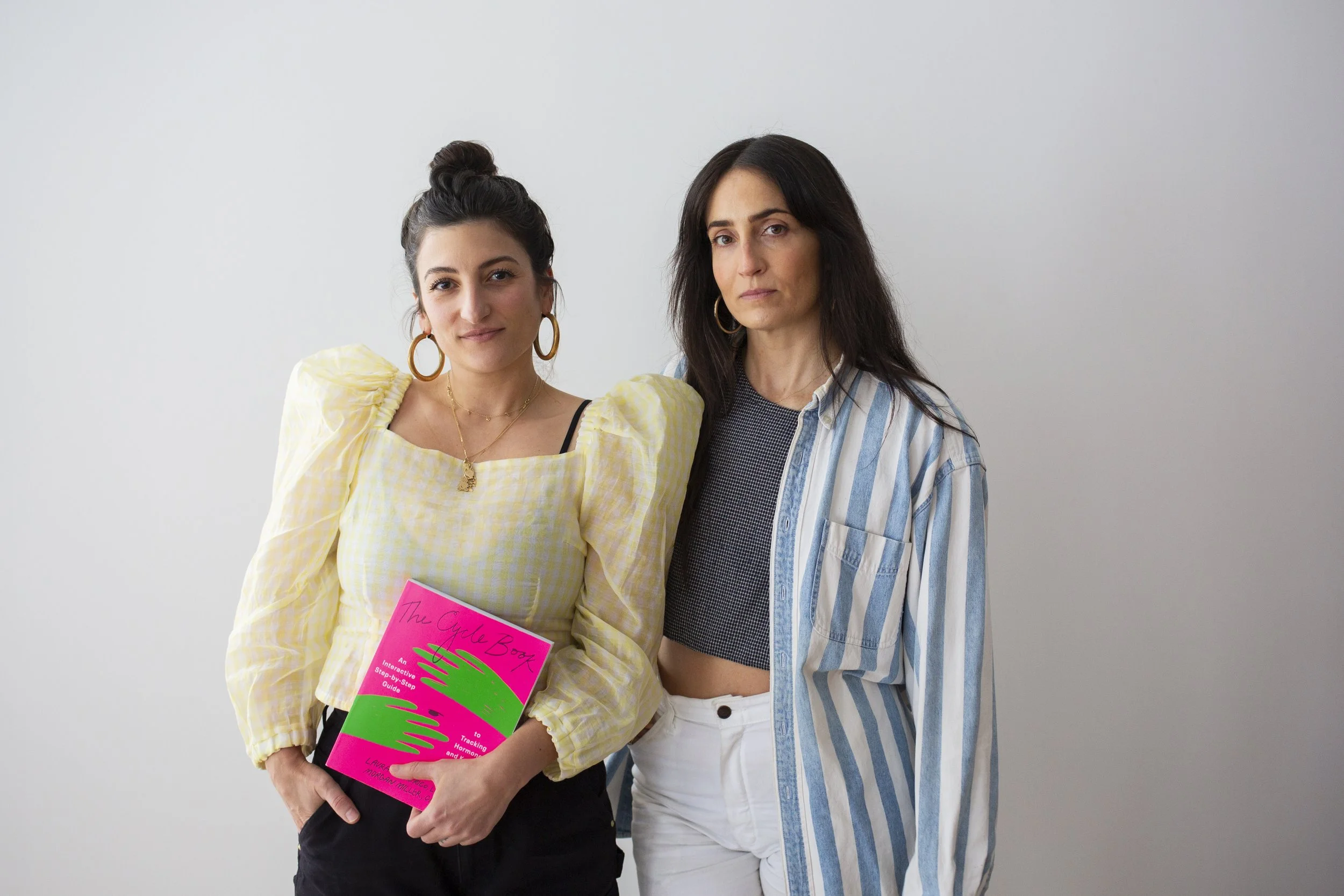
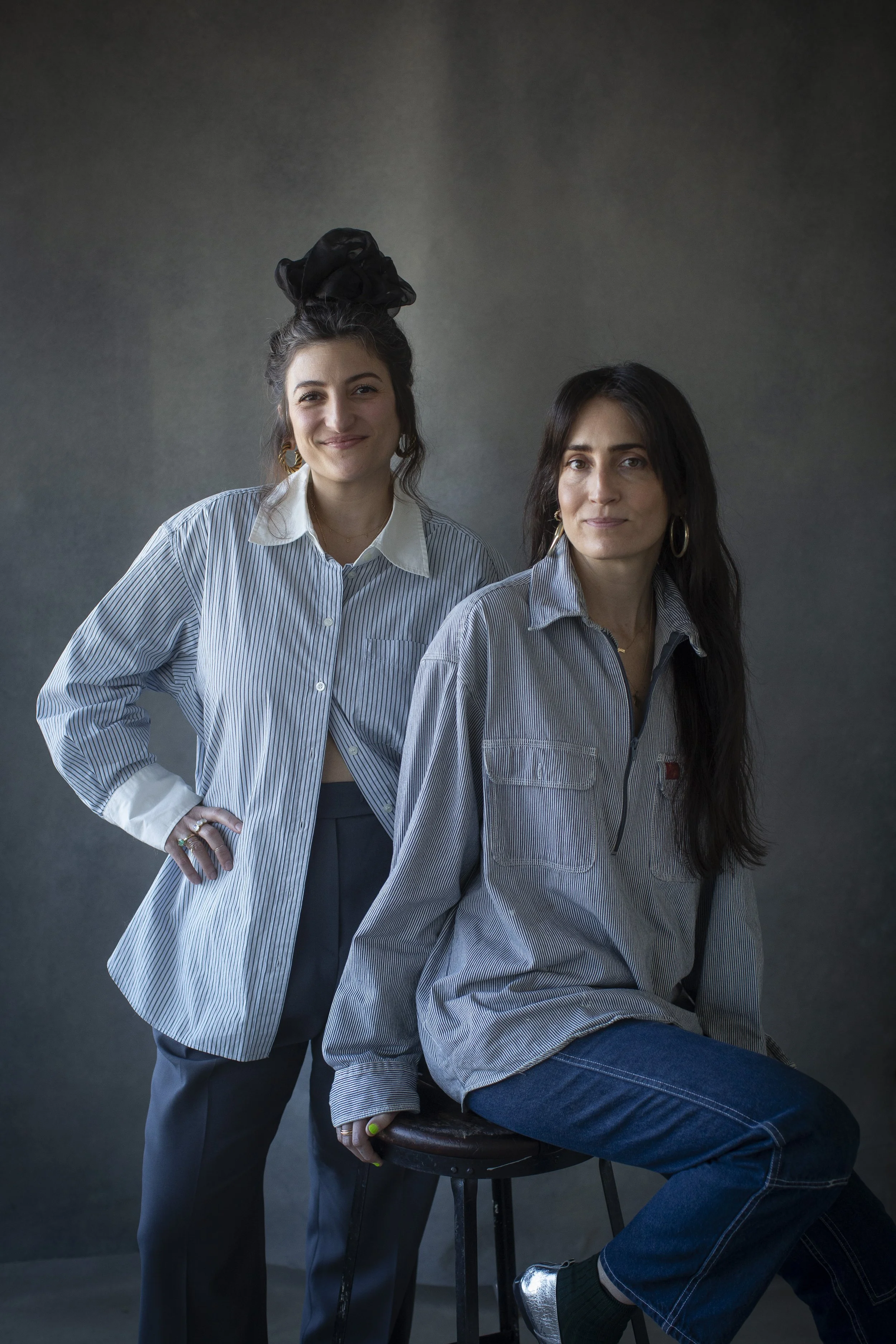
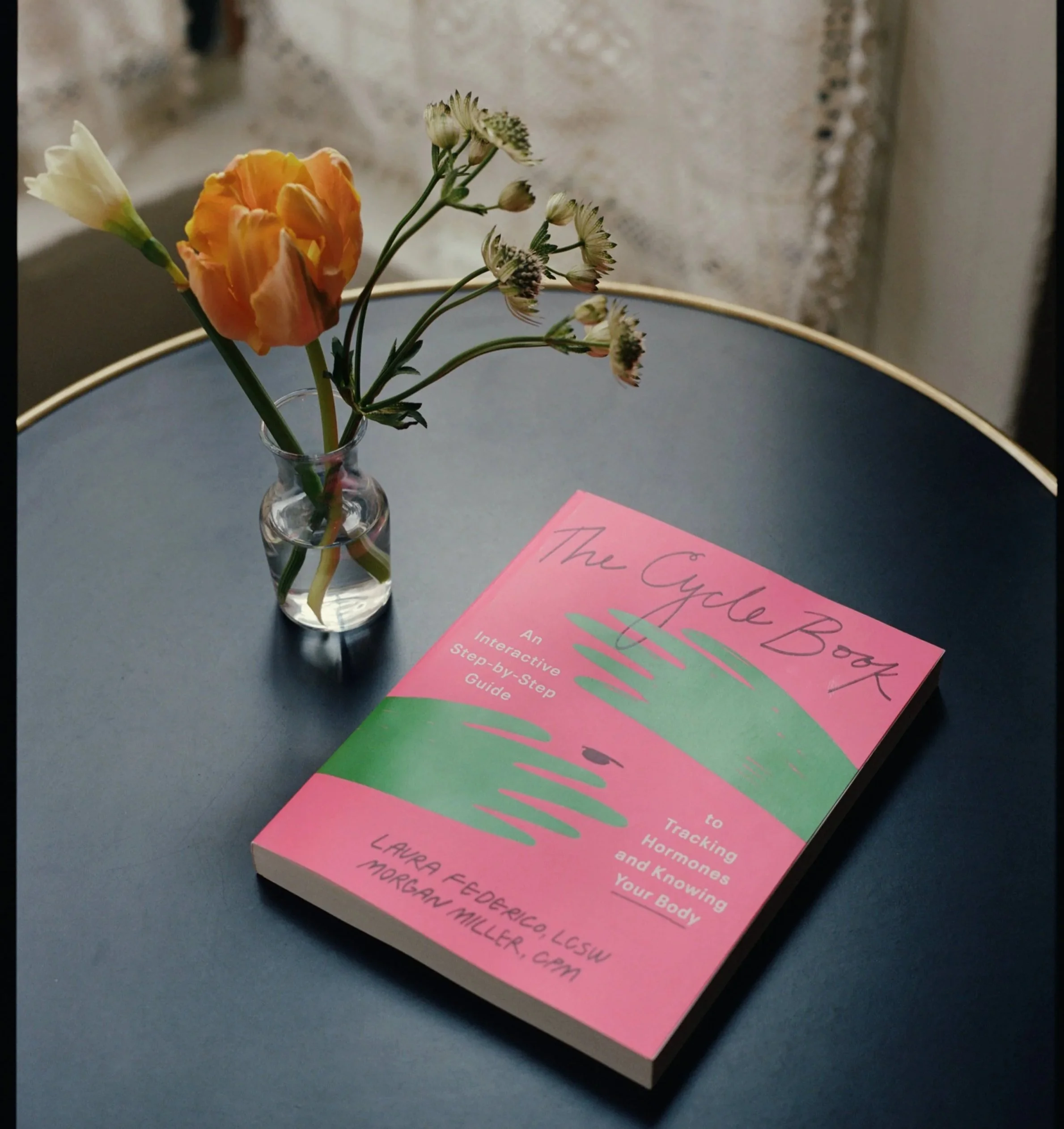
Laura and Morgan are the authors of The Cycle Book and specialize in hormone-informed mental health.
Through their work, they help women understand how hormonal changes influence mood, anxiety, sexuality, pain, and overall wellbeing.
Their approach combines education, lived experience, and practical tools - so you can better understand your body and your mind.
About The Authors: Laura & Morgan