
Hormones and Mental Health: Understanding the Powerful Connection Between Your Cycle and Emotional Well-Being

Understanding how your hormones influence your emotions can help you approach these changes with greater self-awareness and compassion. Rather than viewing mood shifts as a personal weakness, you can begin to recognize them as valuable signals from your body.
In this article, we'll explore the relationship between hormones and mental health, how different phases of the menstrual cycle impact emotional well-being, and practical strategies for supporting both your hormones and your mind.
This is educational information only. It should not replace medical advice from your doctor, psychiatrist, OB-GYN, or pharmacist.
Have you ever noticed that your mood, energy levels, or emotional resilience seem to change throughout the month? Perhaps you feel confident and motivated one week, then anxious, overwhelmed, or emotional the next. If so, you're not imagining it.
The connection between hormones and mental health is real, complex, and deeply influential. Hormones act as chemical messengers throughout the body, affecting everything from sleep and appetite to stress response and emotional regulation. As hormone levels naturally fluctuate during the menstrual cycle, many women experience noticeable changes in mood, focus, motivation, and overall mental well-being.
What Is the Connection Between Hormones and Mental Health?
Hormones are chemical messengers produced by glands in the endocrine system. They travel through the bloodstream and influence various bodily functions, including metabolism, reproduction, sleep, mood, and stress management.
Several key hormones play an important role in mental health:
Estrogen
Progesterone
Cortisol
Serotonin
Dopamine
Oxytocin
Thyroid hormones
When these hormones are balanced, they help support emotional stability, mental clarity, and overall well-being. However, fluctuations or imbalances can contribute to symptoms such as:
Anxiety
Irritability
Mood swings
Low motivation
Brain fog
Depression
Fatigue
Difficulty concentrating
The relationship between hormones and mental health is bidirectional. Hormones affect emotional well-being, and chronic stress can also disrupt hormonal balance.
How Hormones Influence Brain Function
Hormones communicate directly with areas of the brain responsible for mood regulation, memory, decision-making, and emotional processing.
These areas include:
The amygdala, which processes emotions
The hippocampus is involved in memory
The prefrontal cortex, responsible for reasoning and decision-making
When hormone levels change, brain chemistry changes as well.
For example:
Estrogen supports serotonin production, often associated with positive mood.
Progesterone can have calming effects through its interaction with GABA receptors.
Cortisol helps the body respond to stress but may negatively impact mental health when chronically elevated.
This is why hormonal changes can sometimes feel emotional, mental, and even physical all at once.
The Menstrual Cycle and Mental Health
Understanding your menstrual cycle can provide valuable insight into emotional patterns and mental well-being. As hormone levels rise and fall throughout the month, they can influence mood, energy, motivation, and stress tolerance. Recognizing these patterns can help you better understand your emotional experiences and respond to them with greater self-awareness and compassion.
Menstrual Phase
The menstrual phase begins on the first day of bleeding and marks the start of a new cycle. During this time, estrogen and progesterone levels are at their lowest, which can affect both physical energy and emotional well-being. Many women find themselves feeling more reflective and in need of extra rest as their bodies focus on renewal and recovery.
During this phase, you may experience:
Lower energy levels and increased fatigue
Greater emotional sensitivity or mood changes
A stronger need for rest and self-care
More introspection and a desire for quiet time
While this phase can feel challenging, it also provides an opportunity to slow down, listen to your body's needs, and prioritize activities that promote healing and relaxation.
Follicular Phase
After menstruation ends, the follicular phase begins and estrogen levels gradually rise. This increase in estrogen often brings a noticeable boost in mood, energy, and mental clarity. Many women feel more motivated and optimistic as they move through this phase of the cycle.
Common experiences during the follicular phase include:
Improved mood and emotional balance
Increased motivation and productivity
Better concentration and mental focus
Enhanced creativity and enthusiasm
Because estrogen supports serotonin production, this phase is often associated with feeling more confident, energized, and ready to take on new challenges.
Ovulation Phase
Ovulation typically occurs around the middle of the menstrual cycle and is characterized by peak estrogen levels. This phase is often when women feel their most vibrant, confident, and socially engaged. Emotional resilience tends to be stronger, making interactions and communication feel more effortless.
Many women notice:
Higher energy levels and physical vitality
Increased confidence and self-esteem
Greater social engagement and connection
A more optimistic and positive outlook
As hormones reach their peak, this phase can feel empowering and emotionally uplifting, allowing many women to feel more connected to themselves and others.
Luteal Phase
Following ovulation, progesterone becomes the dominant hormone. While progesterone can promote calmness, hormonal fluctuations during this phase may also contribute to emotional and mental changes. Some women experience only mild symptoms, while others notice more significant shifts in mood and stress tolerance.
During the luteal phase, common experiences may include:
Mood swings and emotional sensitivity
Increased anxiety or feelings of overwhelm
Irritability and frustration
Difficulty concentrating or mental fog
Tracking these changes can help you recognize recurring patterns and approach them with understanding rather than self-criticism. The more awareness you have of your cycle, the easier it becomes to support your mental health throughout the month.
Hormones and Anxiety
One of the most common ways hormones affect mental health is through anxiety.
Hormonal fluctuations can influence:
Stress tolerance
Nervous system regulation
Sleep quality
Emotional reactivity
Many women notice increased anxiety:
Before their period
During major hormonal transitions
During periods of chronic stress
Lower estrogen levels may reduce serotonin activity, while changes in progesterone can affect feelings of calmness and relaxation.
Understanding these hormonal influences can help explain why anxiety symptoms sometimes appear or intensify at specific times of the month.

PMS, PMDD, and Mental Health
Premenstrual Syndrome (PMS) affects many women and can involve both physical and emotional symptoms.
Common emotional symptoms include:
Irritability
Mood changes
Anxiety
Tearfulness
Difficulty coping with stress
Premenstrual Dysphoric Disorder (PMDD) is a more severe condition that can significantly impact mental health and daily functioning.
PMDD symptoms may include:
Intense mood swings
Severe depression
Extreme irritability
Feelings of hopelessness
Increased anxiety
If symptoms become overwhelming or interfere with everyday life, professional support is important.
The Impact of Stress Hormones on Mental Health
Cortisol, often called the stress hormone, plays a major role in the relationship between hormones and mental health.
In short-term situations, cortisol helps the body respond to challenges.
However, chronic stress can lead to:
Elevated cortisol levels
Sleep disturbances
Increased anxiety
Mood instability
Hormonal disruption
Reduced emotional resilience
Long-term stress can create a cycle in which mental health challenges and hormonal imbalances reinforce one another.
Breaking this cycle often requires a combination of stress management, lifestyle changes, and emotional support.
Signs Your Hormones May Be Affecting Your Mental Health
While occasional mood changes are a normal part of life, recurring emotional patterns may sometimes point to hormonal influences. Because hormones play a significant role in regulating mood, energy, sleep, and stress responses, fluctuations can show up in ways that affect your daily well-being. Paying attention to these patterns can help you better understand what your body may be communicating.
Some common signs that hormones may be impacting your mental health include:
Mood changes that follow a predictable monthly pattern
Increased anxiety, irritability, or emotional sensitivity before menstruation
Persistent fatigue, brain fog, or difficulty concentrating
Sleep disturbances, changes in motivation, or feeling emotionally overwhelmed
Tracking your symptoms alongside your menstrual cycle can provide valuable insights into these patterns. Over time, you may begin to notice clear connections between hormonal shifts and changes in your emotional well-being, making it easier to respond with appropriate self-care and support.
Supporting Hormones and Mental Health Naturally
While every woman experiences hormonal changes differently, there are several lifestyle habits that can support both hormonal balance and emotional wellness. Small, consistent changes can have a meaningful impact on how you feel throughout your cycle.
Prioritize Sleep
Sleep is one of the most important foundations for both hormonal health and mental well-being. During sleep, the body regulates key hormones and performs essential recovery processes that help maintain emotional balance and stress resilience.
Quality sleep supports:
Healthy cortisol regulation and stress management
Balanced estrogen and progesterone levels
Improved emotional processing and mood stability
Better focus, memory, and mental clarity
Aim for a consistent sleep schedule whenever possible, and create a calming bedtime routine that encourages restful sleep.
Nourish Your Body
The foods you eat provide the building blocks needed for hormone production and brain function. A nutrient-rich diet can help support stable energy levels, balanced moods, and overall emotional health.
Focus on including:
Protein-rich foods and healthy fats
Fruits, vegetables, and whole grains
Adequate hydration throughout the day
Balanced meals that help stabilize blood sugar levels
When blood sugar levels remain steady, many women notice fewer energy crashes and mood fluctuations throughout the month.
Move Your Body Regularly
Regular physical activity can be a powerful tool for supporting both hormones and mental health. Movement helps reduce stress, improve mood, and promote healthy hormone function while also supporting better sleep.
Benefits of regular exercise include:
Reduced stress and anxiety levels
Improved mood and emotional resilience
Better hormonal balance and energy regulation
Enhanced sleep quality and overall well-being
The best form of exercise is one that feels sustainable and enjoyable, whether that's walking, yoga, strength training, dancing, or cycling.
Track Your Cycle
Cycle tracking is one of the most effective ways to understand the relationship between hormones and mental health. By monitoring your emotions, energy levels, and symptoms throughout the month, you can identify recurring patterns and anticipate changes before they occur.
You may begin to notice:
When anxiety or emotional sensitivity tends to increase
Which phases bring the most energy and motivation
Times when additional rest and self-care are needed
Patterns that affect productivity, focus, or mood
This awareness allows you to work with your body's natural rhythms rather than feeling surprised by them.
Practice Emotional Self-Compassion
Hormonal fluctuations can influence emotional experiences in powerful ways, and it's important to respond to those changes with kindness rather than self-criticism. Many women blame themselves for feeling emotional, tired, or overwhelmed when their bodies may simply be responding to natural hormonal shifts.
Instead of judging yourself, consider asking:
What might my body need right now?
How can I support myself with compassion today?
What emotional patterns am I noticing this month?
Practicing self-compassion can help reduce stress, improve emotional resilience, and create a healthier relationship with your cycle.
Seek Professional Support
If hormonal changes are significantly affecting your daily life, relationships, work, or emotional well-being, seeking professional support can be an important and empowering step. You do not have to navigate persistent mood changes, anxiety, or emotional struggles on your own.
A healthcare provider, hormone specialist, or licensed therapist can help identify underlying causes, evaluate your symptoms, and create a personalized plan that supports both hormonal balance and mental health. With the right support, it is possible to feel more informed, empowered, and in control of your well-being.
When to Talk to a Healthcare Professional
Hormonal changes can naturally affect emotions, energy, and stress levels, but there are times when symptoms become more intense or begin interfering with daily life. If you find that your emotional well-being is consistently suffering, reaching out to a healthcare professional can provide clarity, support, and effective treatment options.
Consider seeking professional guidance if you experience:
Severe mood swings that feel difficult to manage or cause significant emotional distress.
Persistent feelings of sadness, hopelessness, or depression that last beyond a few days and affect your ability to enjoy everyday activities.
Frequent panic attacks or overwhelming anxiety that interfere with your sense of safety, concentration, or daily functioning.
Significant anxiety before or during certain phases of your cycle that feels much stronger than typical stress.
Symptoms that disrupt work, school, relationships, or family life, making it hard to meet responsibilities or stay connected with others.
Concerns about PMS or PMDD, especially if premenstrual symptoms become severe, recurring, or emotionally debilitating.
Changes in sleep, appetite, energy, or motivation that persist and seem connected to hormonal fluctuations.
Thoughts of self-harm or feeling unable to cope, which should be addressed with professional support as soon as possible.
Why Cycle Tracking Matters Before and During PMDD Treatment
Tracking your cycle can help you stop guessing.
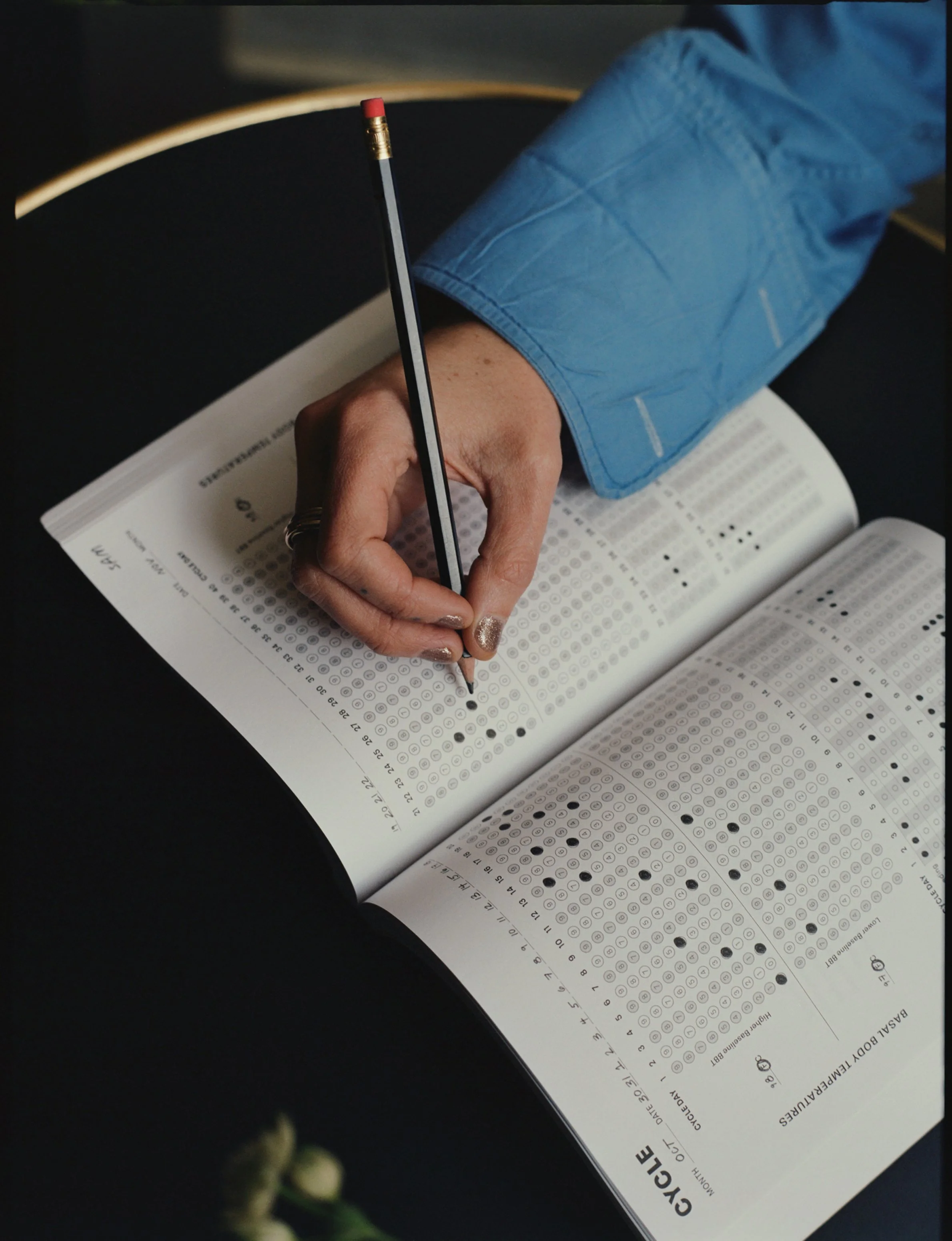
When you track mood, energy, sleep, cravings, anxiety, irritability, and bleeding patterns, you may begin to see that your symptoms are not random. They may follow a rhythm.
That can be validating.
It can also help you speak more clearly with a doctor. Instead of saying, “I feel terrible all the time,” you may be able to say, “My symptoms start around day 20, peak two days before my period, and improve by day two of bleeding.”
That level of detail can change the conversation.
Questions to Ask Your Doctor About Hormones and Mental Health
1. Can hormones really affect my mental health?
Yes. Hormones such as estrogen, progesterone, and cortisol influence brain chemicals that regulate mood, stress, and emotions. Changes in these hormones can contribute to anxiety, irritability, mood swings, and other emotional symptoms.
2. Why do I feel more emotional before my period?
In the days leading up to menstruation, estrogen and progesterone levels naturally fluctuate. These hormonal shifts can affect serotonin and other neurotransmitters, making some women feel more sensitive, anxious, or emotional.
3. How can I tell if my mood changes are hormone-related?
If your emotional symptoms follow a predictable pattern throughout your menstrual cycle, hormones may be playing a role. Tracking your mood, energy levels, and cycle phases can help identify recurring patterns.
4. Can hormonal imbalances cause anxiety?
Hormonal imbalances can contribute to anxiety symptoms by affecting the body's stress response and brain chemistry. While hormones may not be the only cause, they can significantly influence how anxiety is experienced.
5. What lifestyle habits support hormones and mental health?
Prioritizing sleep, eating a balanced diet, exercising regularly, managing stress, and tracking your cycle can all help support hormonal balance and emotional well-being. Consistent self-care often makes a noticeable difference over time.
6. When should I seek professional help for hormonal mood changes?
It's a good idea to speak with a healthcare professional if mood swings, anxiety, depression, or emotional symptoms become severe or interfere with your daily life. Early support can help identify the underlying cause and provide effective treatment options.
Final Thoughts: Understanding Your Pattern Is Part of Treatment
The connection between hormones and mental health is both powerful and deeply personal. Hormonal fluctuations can influence mood, anxiety, stress response, energy levels, and emotional well-being throughout the menstrual cycle and across different stages of life.
By understanding your body's natural rhythms, tracking emotional patterns, and practicing supportive self-care, you can develop a healthier relationship with both your hormones and your mental health.
Remember, your emotional experiences are not something to ignore or push through. They are important signals that deserve attention, compassion, and support.
Ready to Better Understand Your Cycle?
Learning how your hormones influence your emotions can be a transformative step toward greater self-awareness and well-being. Explore Laura and Morgan's resources to deepen your understanding of your cycle, build emotional resilience, and create a more supportive relationship with your body every month.