
How to Increase Energy During the Luteal Phase

If you feel more tired, heavy, foggy, or emotionally sensitive in the days before your period, you are not imagining it.
The luteal phase, the phase after ovulation and before your period, can bring real shifts in energy, mood, appetite, sleep, and motivation. Some people feel steady during this time. Others feel like their body suddenly needs more rest, more food, more patience, and more support.
This does not mean you are lazy.
It does not mean you are weak.
It means your body is moving through a hormonally active part of your cycle.
Understanding what happens during the luteal phase can help you work with your body instead of pushing against it.
What Happens During the Luteal Phase?
The luteal phase begins after ovulation and usually lasts around 10 to 14 days. During this time, progesterone rises. Estrogen may also rise and then drop closer to your period.
These hormonal shifts can affect:
Energy levels
Sleep quality
Mood and emotional sensitivity
Hunger and cravings
Motivation
Focus and mental clarity
Stress tolerance
Digestion and bloating
Progesterone has a calming effect for some people, but it can also make others feel slower, sleepier, or less mentally sharp. As estrogen and progesterone drop before your period, you may feel more fatigued, irritable, anxious, or low.
This is why luteal phase fatigue often feels different from regular tiredness. It can feel like your body is asking you to slow down.
Why Energy Drops Before Your Period
Low energy before your period can happen for several reasons.
Your body may be using more energy during this phase. Your resting metabolic rate can slightly increase in the luteal phase, which may explain why you feel hungrier or need more fuel.
You may also be more sensitive to blood sugar changes. If you skip meals, rely on caffeine, or eat mostly quick carbs, you may feel more crashes, mood swings, and cravings.
Sleep can also shift. Some people experience lighter sleep, night waking, or trouble feeling fully rested before their period.
Emotionally, your nervous system may feel more reactive. Stress that felt manageable earlier in the cycle may feel heavier during the luteal phase.
The goal is not to “force” high energy. The goal is to create steady, supported energy.
The 4 Phases of Menstrual Cycle
(And How They Affect Your Mind)
1. Eat More Consistently
One of the best ways to increase energy during the luteal phase is to avoid long gaps between meals.
During this phase, your body often does better with steady nourishment.
Try to include:
Protein
Healthy fats
Fiber-rich carbohydrates
Minerals
Enough overall calories
A balanced luteal phase meal might look like:
Eggs with toast and avocado
Greek yogurt with fruit, nuts, and seeds
Rice with chicken, vegetables, and olive oil
Lentils with roasted vegetables
Oats with nut butter and banana
Salmon with sweet potato and greens
If you feel more hungry before your period, try not to shame yourself for it. Your body may genuinely need more fuel.
Your menstrual cycle isn’t just about your period. It’s a full monthly loop, typically around 28 days, divided into four phases.
Each phase comes with its own emotional landscape.

If you’ve ever thought, “Why do I feel low on my period?” this is why.
Your system is in a reset phase.
It’s not a time for pushing. It’s a time for slowing down.
2. Support Blood Sugar Balance
Blood sugar crashes can make luteal phase fatigue much worse.
You may notice that when you eat only something sweet or drink coffee on an empty stomach, you feel good for a short time, then suddenly tired, anxious, shaky, or irritated.
To support steadier energy:
Eat breakfast with protein
Pair carbs with protein or fat
Avoid skipping meals
Keep easy snacks available
Limit caffeine on an empty stomach
Choose slow-digesting carbs when possible
Helpful snacks include:
Apple with peanut butter
Boiled eggs with fruit
Hummus and crackers
Yogurt with seeds
Trail mix
Cottage cheese with berries
Toast with nut butter
This is not about restriction. It is about giving your body energy that lasts.

3. Choose Gentle Movement Over Intense Pressure
Your workouts may feel different during the luteal phase.
You might still enjoy strength training, running, or high-intensity workouts earlier in the luteal phase. But closer to your period, your body may ask for something gentler.
Instead of forcing the same routine all month, try adjusting based on how you feel.
Good luteal phase movement options include:
Walking
Yoga
Pilates
Light strength training
Mobility work
Stretching
Slow cycling
Gentle dancing
Movement can improve mood, circulation, and energy. But overdoing it when your body is already tired may increase stress and fatigue.
A useful question to ask is:
Will this workout give me energy, or will it drain me further?

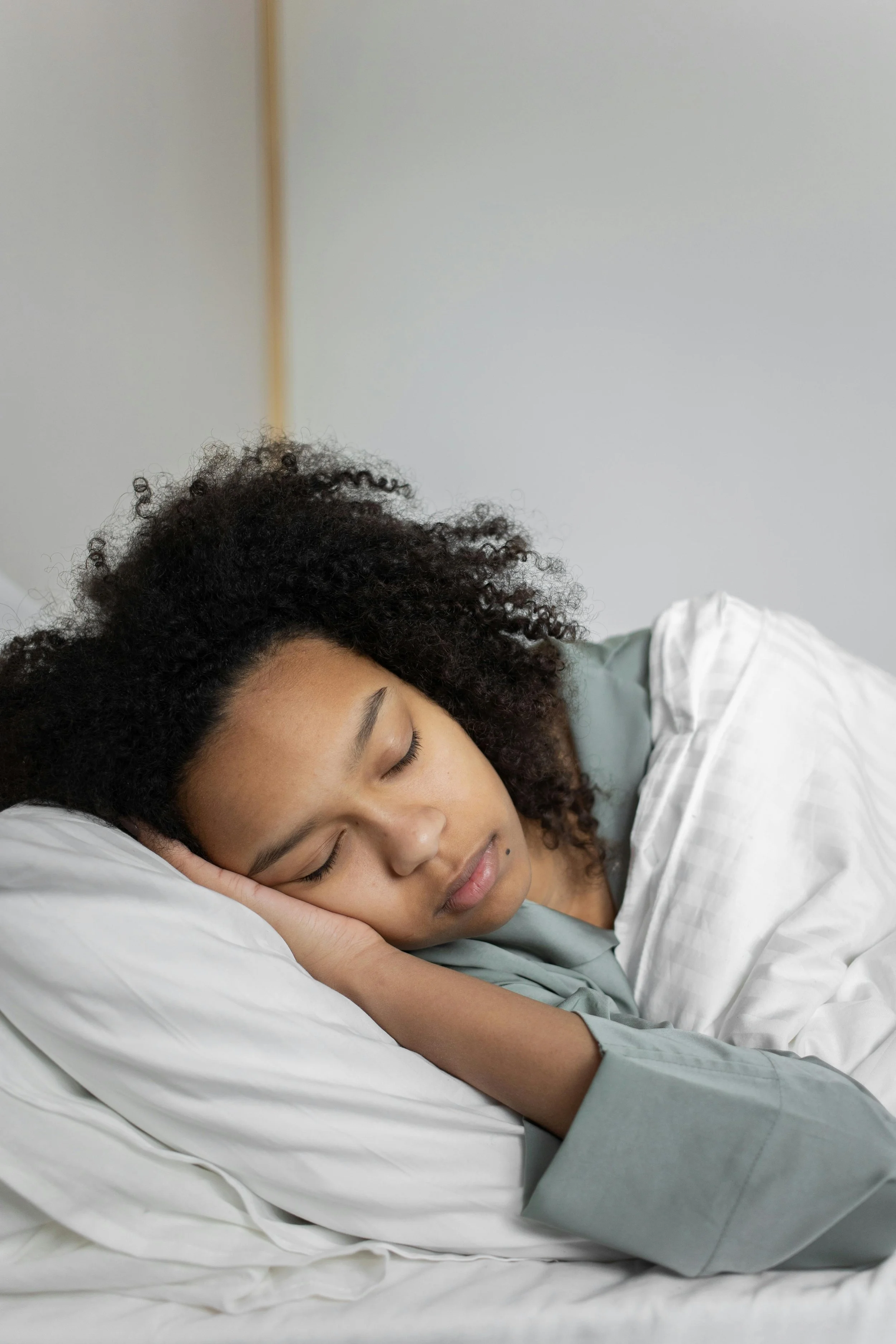
4. Prioritize Sleep Before Your Period
Sleep is one of the biggest foundations for luteal phase energy.
If you notice worse sleep before your period, create more structure around your evenings.
Try:
Going to bed 30 minutes earlier
Reducing screen time before bed
Keeping your room cool
Avoiding heavy late-night work
Limiting alcohol
Reducing caffeine after midday
Creating a calming bedtime routine
You may also want to track your sleep across your cycle. Some people notice a clear pattern where sleep quality drops 3 to 7 days before bleeding starts.
That information can help you plan your workload and expectations more compassionately.
5. Add Magnesium-Rich Foods
Magnesium is often discussed in relation to PMS, muscle tension, sleep, mood, and energy.
You can increase magnesium through foods like:
Pumpkin seeds
Spinach
Dark chocolate
Almonds
Cashews
Black beans
Avocado
Bananas
Whole grains
For some people, magnesium-rich foods may help with tension, cravings, and sleep support during the luteal phase.
Before taking supplements, especially if you are pregnant, on medication, or have a medical condition, speak with a qualified healthcare provider.
6. Reduce Caffeine Dependence
It makes sense to reach for more coffee when you feel tired before your period.
But too much caffeine can sometimes make luteal phase symptoms worse, especially if you are already feeling anxious, irritable, or sleeping poorly.
You do not necessarily need to cut it out completely.
Instead, try:
Having caffeine after breakfast, not before
Switching your second coffee to tea
Avoiding caffeine after lunch
Drinking more water earlier in the day
Not using caffeine to replace meals
Caffeine can give short-term energy, but food, sleep, hydration, and stress support create more stable energy.
7. Hydrate and Replenish Minerals
Bloating and water retention are common in the luteal phase, and some people respond by drinking less water. But dehydration can worsen fatigue, headaches, brain fog, and cravings.
Try drinking water consistently through the day.
You may also benefit from mineral-rich options like:
Coconut water
Soups and broths
Lemon water with a pinch of salt
Electrolytes, if appropriate for you
Fruits with high water content
If you feel dizzy, weak, or unusually fatigued, it is worth checking in with a healthcare provider.
8. Lower Your Stress Load Where Possible
The luteal phase can make your stress threshold feel lower.
You may notice that things you tolerated earlier in your cycle suddenly feel overwhelming. Your inbox feels louder. Social plans feel heavier. Criticism lands harder. Small tasks feel bigger.
This does not mean you are “too emotional.” It may mean your nervous system has less capacity during this phase.
Try reducing unnecessary stress where possible:
Do difficult tasks earlier in your cycle when you can
Create more buffer time before your period
Say no to nonessential commitments
Keep meals simple
Avoid overbooking yourself
Ask for help sooner
Use grounding practices when emotions rise
A simple grounding practice:
Pause.
Put both feet on the floor.
Take a slow breath in.
Exhale longer than you inhale.
Name one thing your body needs next.
Sometimes energy improves when your body feels less threatened and rushed.
9. Plan Around Your Cycle, Not Against It
One of the most powerful ways to increase energy during the luteal phase is to stop expecting yourself to feel the same every day of the month.
Cycle tracking can help you notice patterns like:
When your energy starts to dip
Which days cravings increase
When sleep changes
When you feel more anxious or sensitive
Which workouts feel best
Which foods help you feel stable
When you need more quiet or rest
Once you know your patterns, you can plan better.
For example:
Schedule demanding work earlier in your cycle
Leave more flexible tasks for late luteal days
Meal prep before PMS symptoms begin
Reduce social pressure before your period
Plan gentler workouts closer to bleeding
Give yourself permission to rest without guilt
This is not about limiting yourself. It is about using your cycle as information.
10. Know When Fatigue May Need More Support
Some tiredness in the luteal phase can be normal. But severe fatigue is not something you have to ignore.
Consider speaking with a healthcare provider if you experience:
Extreme fatigue that disrupts daily life
Severe mood changes before your period
Depression or anxiety that spikes cyclically
Heavy bleeding
Dizziness or fainting
Intense cramps
Symptoms that feel unmanageable
Suspected PMDD
Fatigue that continues all month
Hormonal patterns matter, but so do iron levels, thyroid health, vitamin deficiencies, sleep quality, stress, medication, and mental health.
You deserve support that looks at the full picture.
Track Your Cycle, Understand Your Energy
Tracking your cycle can help you stop guessing why your energy, mood, cravings, sleep, motivation, and emotional capacity feel different throughout the month.
When you begin noticing patterns, especially during the luteal phase, you can plan with more compassion instead of blaming yourself for feeling tired, sensitive, or less productive.
You may start to notice:
When your body needs more rest
When you need steadier meals
When stress feels harder to manage
When gentle movement supports you better than pushing through
When your emotions feel more intense or harder to regulate
This is exactly why The Cycle Book can be such a helpful tool.
It gives you a structured, approachable way to track your body’s signals, understand your hormonal patterns, and make choices that support your mental, emotional, and physical well-being across every phase of your cycle.

Best Foods for Luteal Phase Energy
Here are some foods that may support steadier energy before your period:
Protein
Eggs
Chicken
Fish
Greek yogurt
Tofu
Lentils
Beans
Cottage cheese
Healthy Fats
Avocado
Olive oil
Nuts
Seeds
Salmon
Nut butter
Magnesium-Rich Foods
Pumpkin seeds
Spinach
Almonds
Dark chocolate
Black beans
Complex Carbohydrates
Sweet potatoes
Oats
Brown rice
Quinoa
Whole grain toast
Potatoes
Fruit
Easy Luteal Phase Meal Ideas
Oats with banana, nut butter, and chia seeds
Rice bowl with chicken, avocado, and vegetables
Lentil soup with whole grain bread
Eggs with potatoes and greens
Smoothie with protein, berries, spinach, and flaxseed
Salmon with sweet potato and roasted vegetables
A Gentle Luteal Phase Routine for Better Energy
Here is a simple routine you can adapt:
Morning
Eat a protein-rich breakfast
Get sunlight or fresh air
Avoid checking stressful messages immediately
Do gentle movement if it feels good
Afternoon
Eat a balanced lunch
Take a short walk
Hydrate
Use caffeine carefully
Evening
Choose a nourishing dinner
Lower screen time
Stretch or do light movement
Prepare for sleep earlier
Give yourself permission to slow down
Your routine does not need to be perfect. It just needs to support the body you are living in today.
Conclusion
Increasing energy during the luteal phase is not about forcing yourself to push harder.
It is about listening more closely.
Your body may need steadier meals, more rest, gentler movement, better sleep, and fewer unrealistic expectations before your period. When you understand your hormonal cycle, your energy patterns start to make more sense.
The luteal phase can become less confusing when you stop treating it like a personal failure and start seeing it as valuable body feedback.
If you want to better understand your mood, energy, cravings, and emotional patterns across your cycle, cycle tracking can be a powerful place to start.